Improve Your Texas Hold’em Skills with Smart Strategies
Texas Hold’em is one of the most exciting and widely played poker games in the world. Unlike games that rely mostly on chance, this classic card game combines strategy, observation, and calculated decision-making. Whether you’re new to poker or looking to sharpen your abilities, learning the fundamentals can help you make better choices at the table.
At Plus77PH, understanding the principles behind Texas Hold’em can make every session more enjoyable and rewarding.
Learn the Core Rules First
Before applying advanced tactics, it’s important to understand how the game works.
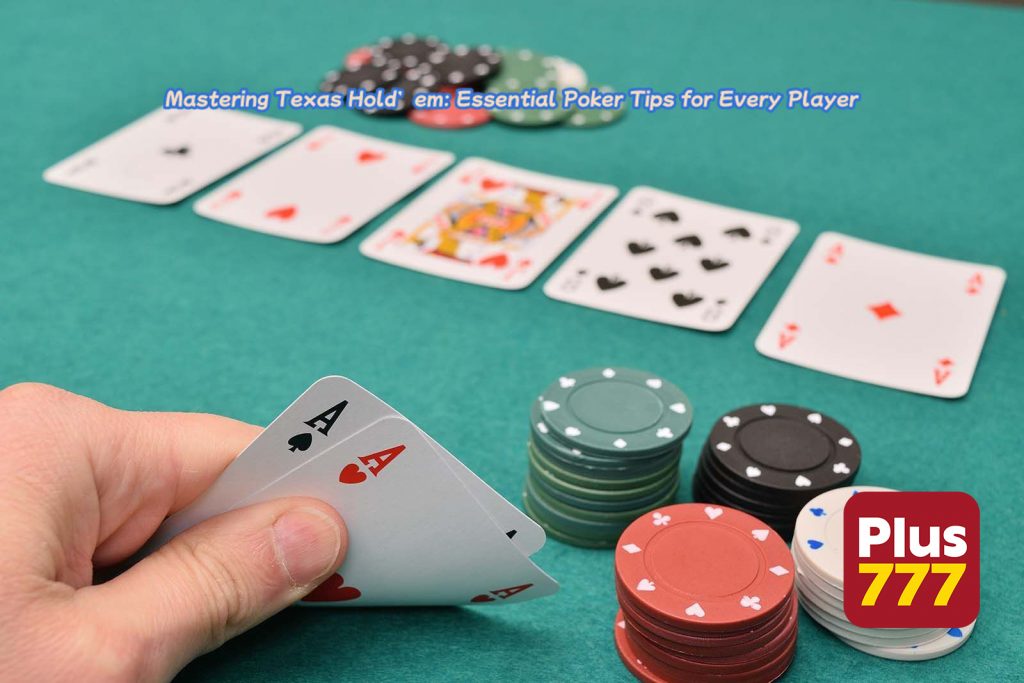
Each player receives two private hole cards, while five community cards are revealed in stages: the Flop, Turn, and River. Players combine these cards to create the strongest possible five-card poker hand.
Familiarity with hand rankings—from a high card to a royal flush—is essential, as is understanding the betting rounds where players may fold, check, call, bet, or raise.
A solid grasp of the basics provides the foundation for long-term success.
Play Fewer Hands but Play Them Strongly
One of the biggest mistakes beginners make is entering too many pots with weak starting hands.
A disciplined approach often means:
- Selecting premium starting cards.
- Playing quality hands more aggressively.
- Applying pressure through well-timed bets and raises instead of simply calling.
This balanced style helps reduce unnecessary risks while maximizing profitable opportunities.
Use Table Position to Your Advantage
Your seating position has a major influence on strategy.
- Early position: Requires caution since you act before most opponents.
- Middle position: Allows for a slightly wider range of playable hands.
- Late position: Often provides the greatest advantage because you can observe other players’ actions before making your decision.
Acting later in the betting order gives valuable information that can improve decision-making throughout the hand.
Pay Attention to Opponent Behavior
Successful poker players study more than just their own cards.
Watch for patterns such as:
- Consistent betting sizes.
- Frequent raises or passive play.
- Timing differences before actions.
- Reactions during important hands.
Recognizing these habits can help you estimate the strength of an opponent’s holdings and adjust your strategy accordingly.
Understand Pot Odds and Long-Term Decisions
Mathematics plays an important role in Texas Hold’em in Plus77.
Evaluating pot odds allows players to compare the cost of continuing a hand against the potential reward. Likewise, considering expected value encourages decisions that are profitable over many sessions rather than focusing on short-term outcomes.
Developing these skills can separate experienced players from casual participants.
Bluff with Purpose
Bluffing is a valuable element of poker, but it should never be overused.
Strong bluffing opportunities often occur when:
- Your betting story appears believable.
- Opponents are likely to fold.
- You have additional drawing potential if called.
Using selective and well-timed bluffs is generally more effective than attempting to deceive opponents on every hand.
Practice Good Bankroll Management
Financial discipline is just as important as poker knowledge.
Helpful practices include:
- Setting session budgets before playing.
- Choosing stakes that fit your bankroll.
- Avoiding emotional decisions after losses.
- Taking breaks when frustration begins to affect judgment.
Managing your funds responsibly allows you to play confidently without unnecessary pressure.
Review and Improve Your Game
Continuous learning is one of the hallmarks of successful poker players.
You can strengthen your skills by:
- Reviewing previous hands.
- Identifying recurring mistakes.
- Studying experienced players.
- Practicing with strategy tools and educational resources.
Small improvements over time often produce meaningful long-term results.
Final Thoughts
Texas Hold’em is a game where preparation, patience, and strategic thinking often matter more than luck alone. By choosing stronger starting hands, taking advantage of table position, reading opponents carefully, and managing your bankroll responsibly, you can build a more consistent approach to the game.
At Plus77PH, approaching Texas Hold’em with discipline and continuous learning can help you enjoy every hand while developing stronger poker fundamentals over time.
Frequently Asked Questions
1. What is the best strategy for beginners in Texas Hold’em?
New players often benefit from playing fewer hands, focusing on strong starting cards, and avoiding unnecessary risks until they gain more experience.
2. Why is table position important in Texas Hold’em?
Players who act later in a betting round have more information about opponents’ actions, allowing them to make more informed decisions.
3. Should I bluff frequently in poker?
Bluffing can be effective when used selectively and in the right situations, but excessive bluffing may become predictable and less successful.
4. How can bankroll management improve my poker sessions?
Setting spending limits and choosing appropriate stakes helps reduce financial risk and encourages more disciplined decision-making.
5. Is Texas Hold’em based on skill or luck?
Luck influences individual hands, but over the long term, strategy, probability, observation, and sound decision-making play significant roles in achieving consistent results.